

Behind the Scenes of a Successful Festival: Why Sound and Visual Technology Matter
Ottawa Festivals >> Canadian Festivals>>Electronics>>Music Festivals>> Behind the Scenes of a Successful Festival: Why Sound and Visual Technology Matter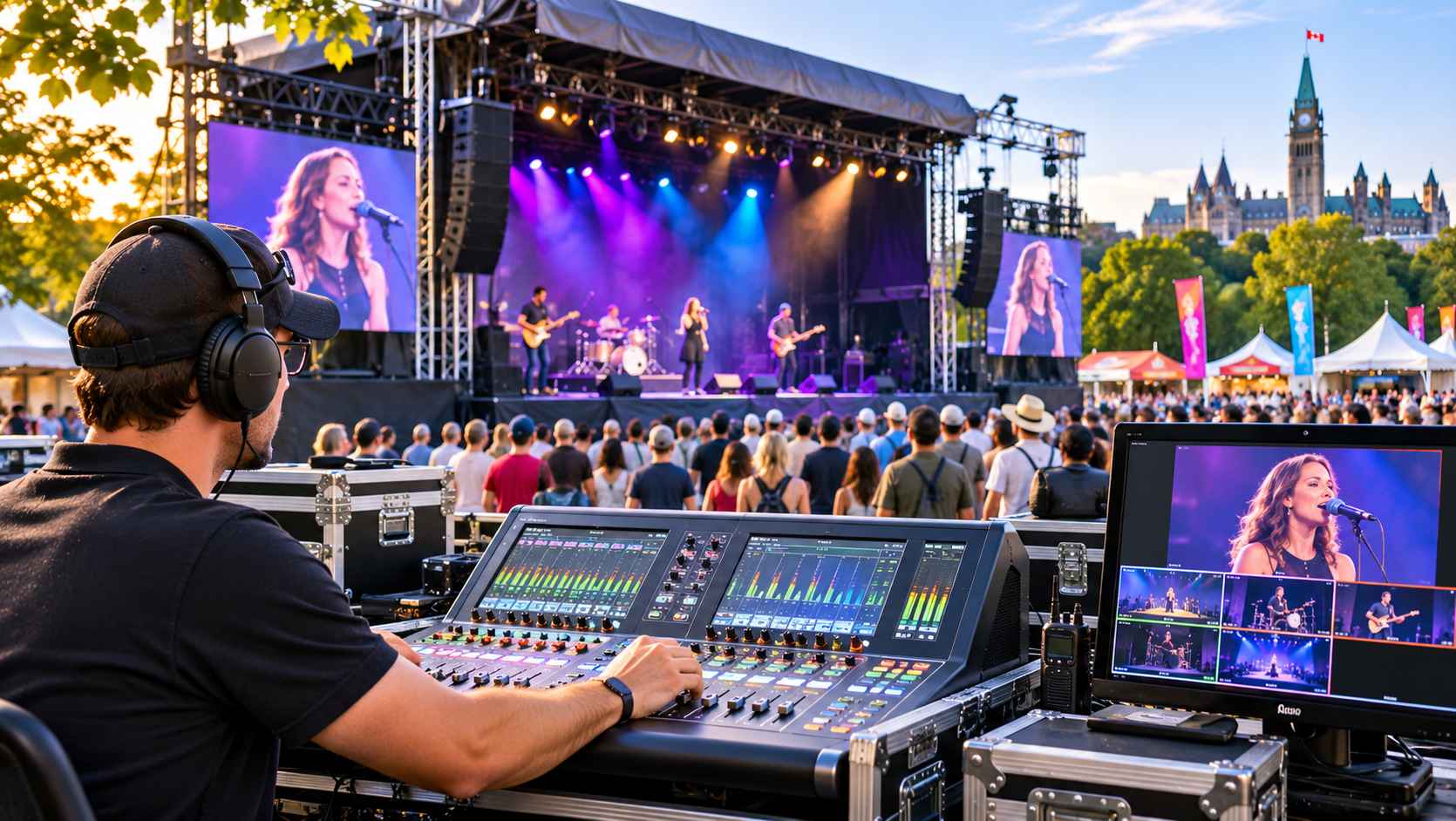
Behind the Scenes of a Successful Festival: Why Sound and Visual Technology Matter
The excitement of a festival often comes from the performances, atmosphere, and shared experiences that bring people together. Whether visitors are enjoying an outdoor concert, a cultural celebration, or a community gathering, audiovisual technology plays an important role in shaping their experience.
Behind the scenes, microphones, speakers, mixing equipment, video screens, and technical control systems help organizers communicate with audiences and coordinate activities.
However, creating a reliable audiovisual environment requires more than installing powerful speakers or large displays. Venue layout, weather conditions, crowd size, equipment compatibility, and technical preparation all influence how a system performs.
For festival organizers and event planners in Ottawa and across Canada, thoughtful audiovisual planning can help create enjoyable experiences while supporting communication and operational coordination.
Why Clear Sound Is Essential at Festivals
Sound quality is one of the most noticeable elements of a live event.
During a musical performance, audiences want to hear vocals and instruments clearly. At community celebrations, visitors may need to understand announcements about schedules, activities, or important event information.
Poor sound clarity can make these experiences frustrating.
For example, an outdoor festival may have areas where music sounds balanced while other locations experience reduced clarity.
Indoor venues introduce different challenges because sound reflects from walls, ceilings, and other surfaces.
Clear audio depends on suitable equipment, thoughtful positioning, and an understanding of the environment.
Increasing volume alone is not always an effective solution. The goal is to provide appropriate sound coverage while maintaining comfortable listening conditions.
How Speaker Placement Influences Sound Coverage
Speaker placement affects how sound reaches audiences throughout an event space.
A small indoor performance venue may require a relatively straightforward arrangement, while a larger outdoor festival may need a more carefully planned sound distribution system.
Organizers should consider stage positioning, audience areas, surrounding structures, and potential obstacles.
For example, speakers positioned incorrectly may provide excessive volume near the stage while leaving distant audience areas with limited clarity.
Planning for Audience Areas
Sound systems should be designed around the spaces where visitors are expected to gather.
Different audience locations may require different coverage considerations.
Considering Surrounding Environments
Outdoor sound can affect nearby residential areas, businesses, and other festival activities.
Appropriate positioning and sound-level management can help organizers consider both audience needs and surrounding communities.
Professional system planning should reflect the venue’s specific characteristics rather than relying on one standard arrangement.
The Role of Microphones and Audio Mixing Equipment
Microphones and mixing systems allow technical teams to manage different sound sources during performances and announcements.
A music festival may involve several vocal microphones, instruments, playback devices, and other audio inputs.
A mixing console allows technicians to adjust these sources to create an appropriate overall balance.
Microphone selection also depends on the event.
A presenter making announcements may require different equipment from a vocalist performing on stage.
Wireless microphones can provide flexibility, but their use requires suitable frequency coordination, battery management, and reliable operation.
Technical rehearsals help identify potential problems before audiences arrive.
For venues considering permanent equipment improvements, professional sound and audiovisual installation solutions may be relevant when evaluating audio systems, equipment connections, and integrated presentation technology.
Temporary festival production systems may require additional live-event specialists.
How LED Displays and Video Screens Improve the Experience
Visual technology helps audiences follow performances and receive information.
At larger festivals, LED screens may display live camera feeds so visitors farther from the stage can see performers more clearly.
Screens can also communicate schedules, directions, announcements, and programme changes.
For example, a community festival with several performance areas may use digital displays to help visitors understand upcoming activities.
However, screen size alone does not guarantee visibility.
Brightness, viewing angles, positioning, and surrounding lighting conditions are important considerations.
Outdoor screens must also be suitable for the environmental conditions in which they operate.
Where appropriate, captions and accessible visual information can help more visitors understand announcements and presentations.
Why Venue Layout and Crowd Size Matter
Every festival location presents different technical requirements.
An event held in a park may involve open spaces, temporary stages, uneven ground, and limited access to permanent infrastructure.
An indoor cultural event may take place in a theatre, exhibition hall, or multipurpose community centre.
These environments influence equipment placement, cable routing, and audience movement.
Crowd size and expected attendance areas also deserve consideration.
Organizers should identify where people are likely to gather and whether audiovisual equipment can serve those locations appropriately.
Equipment should not obstruct entrances, emergency access routes, or accessible pathways.
Coordinating audiovisual planning with the overall event layout helps reduce conflicts between technical requirements and visitor movement.
Preparing Audiovisual Equipment for Changing Weather
Canadian outdoor festivals may encounter rain, wind, temperature changes, and other unpredictable weather conditions.
These factors can affect temporary equipment arrangements and event operations.
Organizers should ensure that equipment intended for outdoor use is suitable for the expected environment.
Temporary installations may require appropriate weather protection, secure mounting arrangements, and specialist assessment.
Rain and electrical equipment create particular safety concerns, while strong winds can affect temporary structures and elevated displays.
The Event Safety Alliance resources provide information related to event safety planning and the management of potential risks.
Weather-related decisions should involve qualified event production, electrical, and structural professionals where appropriate.
A practical plan also identifies when activities must be paused or equipment taken out of service because conditions are unsafe.
The Importance of Reliable Power and Cabling
Power distribution is essential for audiovisual operations.
Speakers, mixing consoles, lighting equipment, displays, and control systems may all depend on properly planned electrical connections.
Organizers should identify equipment requirements before the event rather than assuming existing electrical outlets will be sufficient.
Power distribution and temporary electrical installations should be assessed and handled by appropriately qualified professionals.
Cable management also matters.
Poorly positioned cables can create tripping hazards or interfere with equipment and audience movement.
Suitable cable protection and organized routing can support safer, more manageable event environments.
Technical teams should also coordinate equipment connections to reduce compatibility problems during setup and operation.
Planning for Unexpected Technical Challenges
Even carefully organized festivals can experience unexpected difficulties.
Equipment may malfunction, weather conditions may change, or performance schedules may require adjustments.
Technical teams should prepare for reasonable contingencies before the event begins.
Useful preparation may include identifying replacement equipment, reviewing communication procedures, and establishing responsibilities for responding to technical problems.
For example, organizers should know who can authorize changes when a display stops functioning or a sound system develops an issue.
Testing equipment before the event provides an opportunity to identify problems while adjustments are still practical.
Clear communication between production staff, stage managers, performers, and event coordinators is essential.
Why Professional AV Planning Matters
Audiovisual systems can involve multiple technical disciplines, including audio engineering, networking, electrical installation, equipment mounting, and system control.
Professional planning can help organizations understand compatibility, equipment positioning, and operational requirements.
For businesses and venue operators in Ottawa and surrounding areas, Signature Audio Video offers audio/video equipment and integration solutions for residential and commercial environments.
When planning festival infrastructure, organizers should distinguish between permanent venue installations and temporary live-event production.
A permanent presentation system may require different equipment and expertise from a temporary outdoor concert stage.
Understanding these differences helps organizers select appropriate professionals and define project responsibilities clearly.
Practical Audiovisual Planning Checklist for Festival Organizers
Before an event, organizers should review several important considerations:
- Define event requirements: Identify performances, announcements, presentations, and other audiovisual needs.
- Assess the venue: Review audience areas, accessibility, environmental conditions, and equipment locations.
- Plan sound coverage: Consider speaker placement and appropriate listening levels.
- Coordinate visual equipment: Evaluate screen visibility, positioning, and available content.
- Review power requirements: Arrange suitable electrical infrastructure and qualified technical support.
- Prepare for weather: Establish appropriate protection and emergency procedures.
- Schedule technical testing: Allow time to check equipment and communication before opening.
These considerations should be adapted to the event’s size, location, and activities.
Conclusion: Successful Festivals Depend on Thoughtful Technical Planning
Memorable festivals involve more than engaging performers and enthusiastic audiences.
Clear sound, effective visual communication, reliable equipment, and coordinated technical teams contribute to how visitors experience an event.
However, audiovisual technology must be selected according to the venue, audience, environmental conditions, and practical requirements.
By planning equipment placement, coordinating technical responsibilities, and preparing for unexpected challenges, organizers can create more dependable event environments.
Ultimately, the best audiovisual systems support the festival experience without becoming a distraction, allowing audiences to focus on the performances, celebrations, and community connections that make these events meaningful.
Last updated on
Related Post

Expert Tips for First-Time Shoppers at an Electronic Store
Shopping at an electronic store for the first time can be overwhelming. Whether you're purchasing…